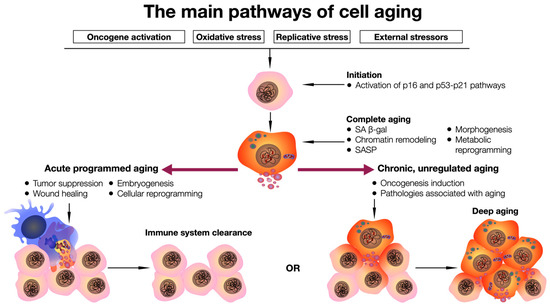
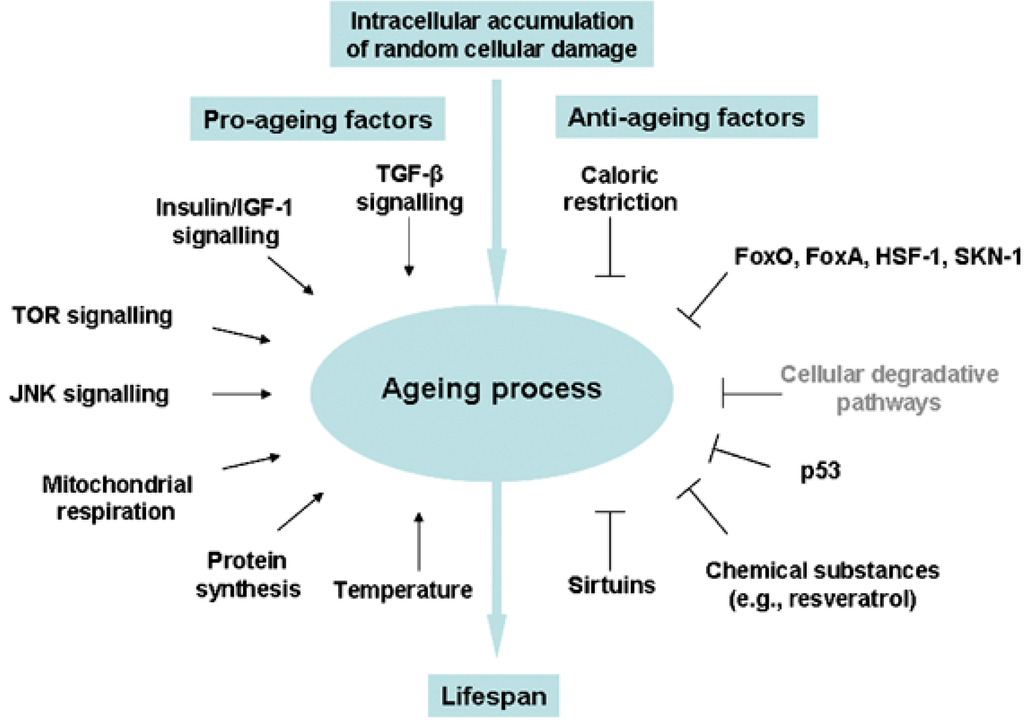
Eternal Youth A Comprehensive Exploration of Biology Diagrams This Review summarizes current research on cellular senescence including its molecular basis and examines how drugs may be targeted against senescent cells to treat age-related multimorbidities. Aging is considered as the consequences of cell signaling cascades, cell fate, physical functions, and the repair mechanisms of many organs. Among different contributing factors to aging or cellular senescence, DNA damage response (DDR) and SASP regulation are considered to play the major roles though little attention has been focused on these factors.
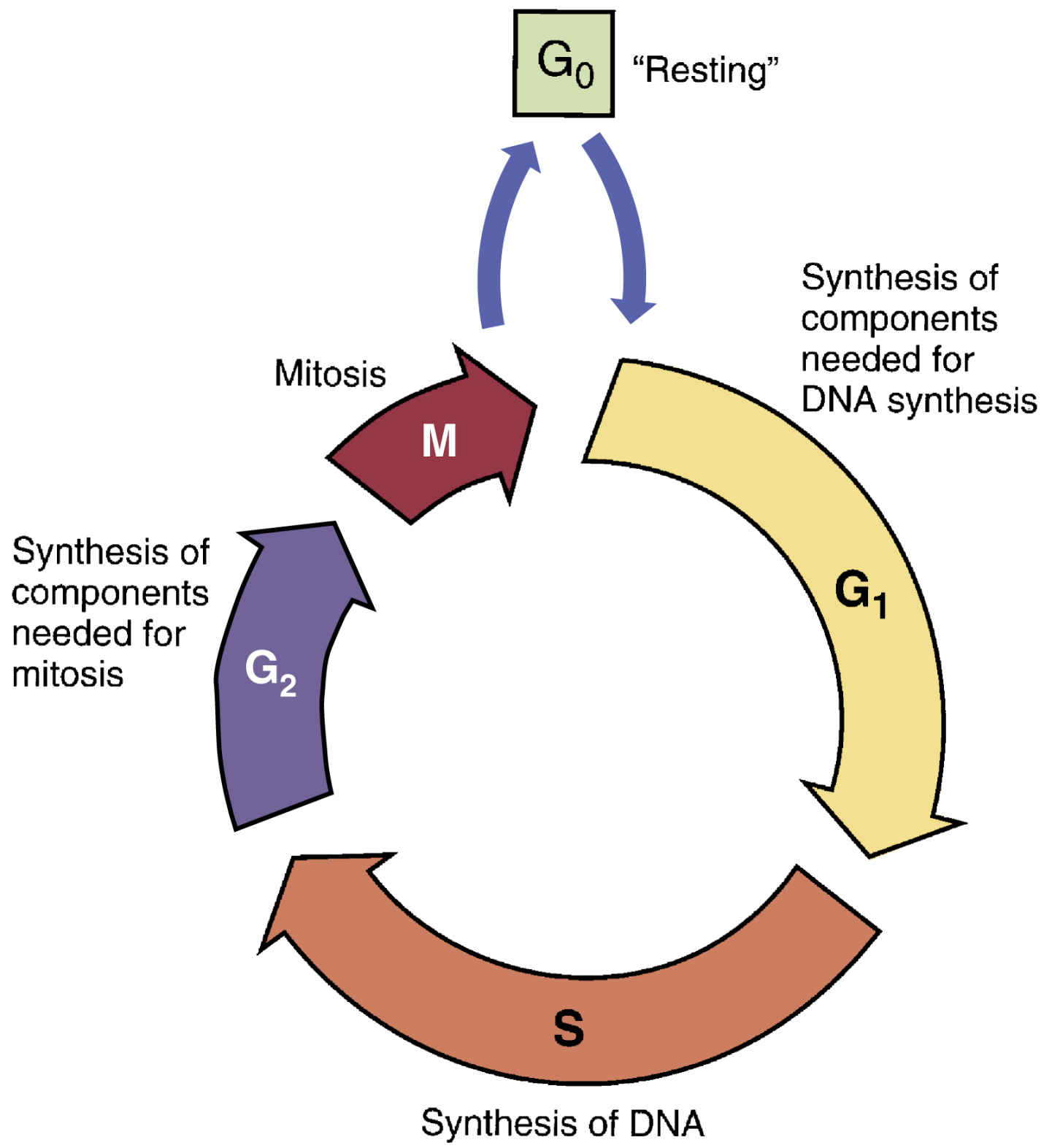
Tight regulation of cell division is critical throughout life for normal developmental processes, tissue regeneration, aging, and recovery from cellular damage. Abnormal development, aging-related disease, or carcinogenesis may result from aberrant cell cycle control. Drugs targeting different phases of the cell cycle may be leveraged for various therapeutic purposes, such as synthetic The cell cycle arrest induced by senescent cells is irreversible, it limits the functionality of cyclin-dependent kinase (CDK) inhibitors, such p16-INK4A, p19-ARF, p21-WAF, and p27-KIP1, which ultimately induces irreversible cell cycle arrest. as it can significantly accelerate the adoption of these drugs in clinical trials for anti-aging

Recent Advances in Anti‐Aging Therapeutic Strategies Targeting DNA ... Biology Diagrams
This improvement is primarily attributed to the restoration of cell proliferation rather than a change in cell identity. miR-302b exerts its rejuvenating effects by targeting specific pathways involved in senescence, such as the downregulation of cell cycle inhibitors Cdkn1a and Ccng2, known contributors to the maintenance of the senescent Cellular senescence is an aging mechanism characterized by cell cycle arrest and a senescence-associated secretory phenotype (SASP). Preclinical studies demonstrate that senolytic drugs, which

Cell senescence is often associated with increased ROS level, enhanced β-galactosidase activity and cell cycle arrest [[36], [37], [38]]. In this study, we assessed the anti-aging properties of Anti-VCAM1-GM1@Q micelles in vitro using these parameters (Fig. 3 A). D-gal has been used to induce cell senescence in vitro [39].
302b rejuvenates aging mice by reversing the ... Biology Diagrams
Cellular aging occurs through cell cycle arrest, which is the result of extended DDR cascade signaling networks via MDC1, 53BP1, H2AX, ATM, ARF, P53, P13-Akt, BRAF, Sirtuins, NAD + , and so forth. These persistent cell cycle arrests initiated by DDR and other associated stress-induced signals promote a permanent state of cell cycle arrest

Aging is a complex and multifaceted process involving a variety of interrelated molecular mechanisms and cellular systems. Phenotypically, the biological aging process is accompanied by a gradual loss of cellular function and the systemic deterioration of multiple tissues, resulting in susceptibility to aging-related diseases. Emerging evidence suggests that aging is closely associated with